How Boomer Parenting Shaped a Generation’s Blueprint for Love
Psychology says the “stoic provider” boomer dad and the “emotional caretaker” boomer mom created a dynamic that shaped an entire generation’s understanding of love.

For many of us raising children today, our blueprint for love was quietly formed decades ago.
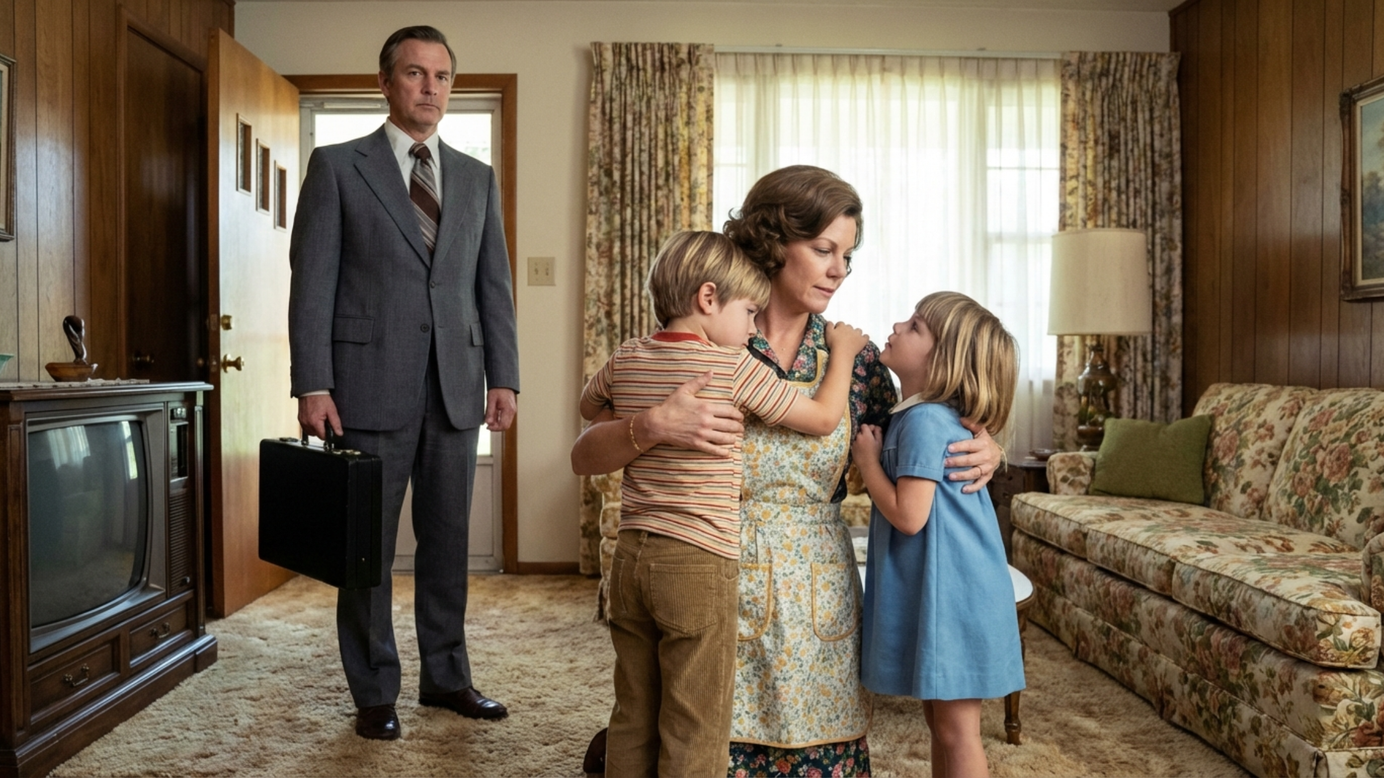
Dad worked.
Mom held the emotions.
He showed love through provision.
She showed love through presence.
The recent psychology discussion around the “stoic provider” boomer father and the “emotional caretaker” boomer mother isn’t about blame. It’s about awareness. An entire generation absorbed a model of love divided into roles—strength over here, softness over there.
And that division shaped how many of us now show up in our marriages, our work, and our parenting.
At GiftedTalented.com, we believe gifts × effort = talent.
But talent × love = calling.
So it’s worth asking:
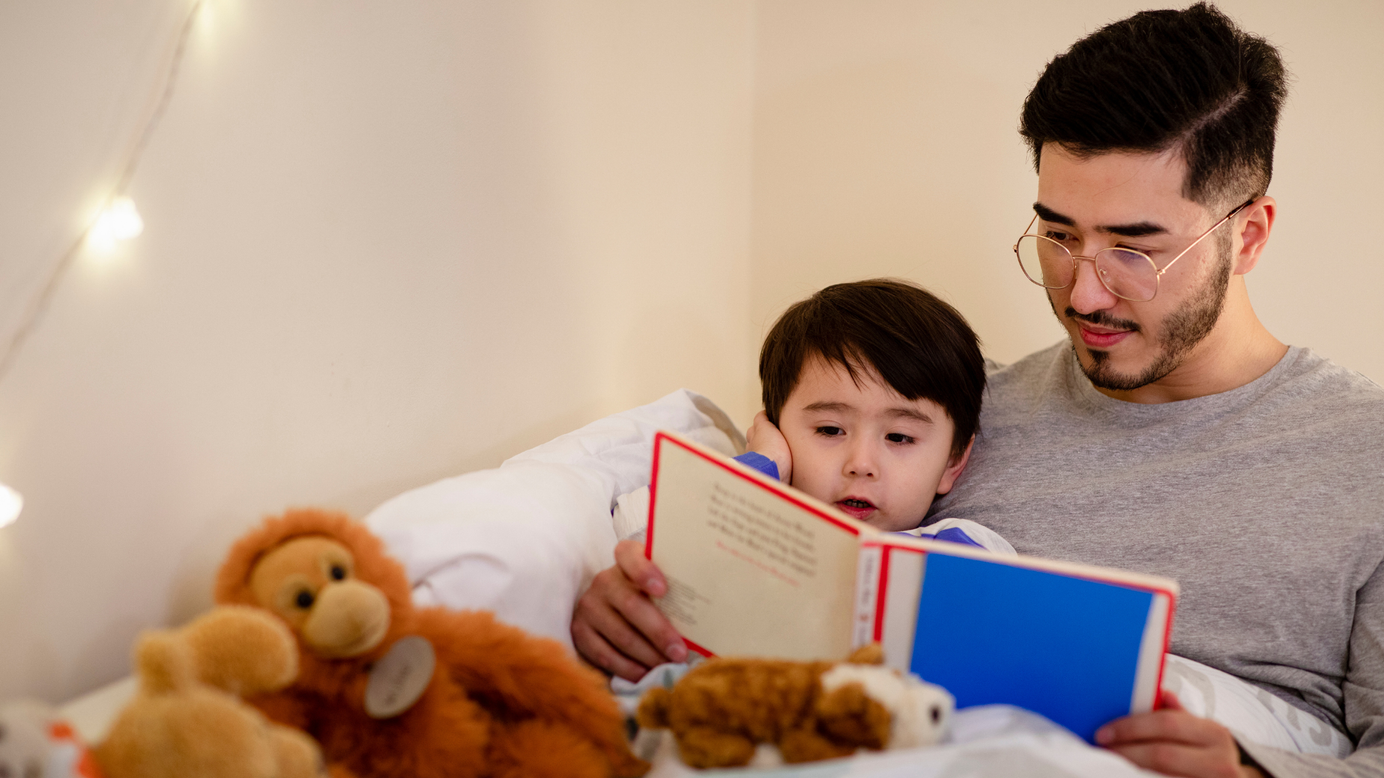
What kind of love are our children absorbing from us?
The Split Blueprint
In many households of that era:
- Fathers expressed love through sacrifice, financial stability, discipline, and protection.
- Mothers carried the emotional climate—soothing, translating feelings, maintaining relational harmony.
Children learned something powerful:
Love is dependable.
Love sacrifices.
Love works hard.
But they also learned something quieter:
Emotion may belong more to one parent than the other.
Provision may count more than vulnerability.
Feelings may be managed rather than shared.
That emotional split didn’t make those parents wrong. It reflected cultural norms, economic realities, and post-war survival instincts.
But it did create a blueprint.
And blueprints replicate unless we redesign them.
Why This Matters for Today’s Parents
Many of today’s parents, especially high-achieving, driven, education-focused parents, are now juggling:
- Career intensity
- Entrepreneurial ambition
- Deep desire to be emotionally present
We are trying to do both roles.
The risk? We unconsciously default to what we saw modeled.
When stressed, we may revert to provision over presence.
Or we may overcorrect and undervalue resilience and strength.
Our children are watching how we handle:
- Conflict
- Failure
- Stress
- Affection
- Apology
They are forming their internal model of love in real time.
Love as Integration, Not Division
The real opportunity for this generation isn’t to reject the past.
It’s to integrate it.
The boomer blueprint gave us:
- Loyalty
- Work ethic
- Sacrifice
- Stability
Those are strengths.
But today’s children also need:
- Emotional literacy
- Mutual vulnerability
- Shared responsibility for feelings
- Models of strength that include tenderness
Strength and softness do not compete.
They compound.
When a father names his fear without losing authority, children learn courage.
When a mother sets firm boundaries without guilt, children learn structure.
When both parents model effort and emotional presence, children learn that love is not divided into roles; it is embodied.
Parent Reflection: The Gifted Lens
At GiftedTalented.com, we believe every child is gifted.
But gifts develop best in emotionally secure soil.
Here are three reflection questions for parents:
- When my child is upset, do I try to fix the problem immediately, OR do I sit in the feeling first?
- Do my children see me apologize when I’m wrong?
- Does my child experience both my competence and my vulnerability?
These small moments shape how children understand:
- What strength looks like
- What love feels like
- What adulthood requires
The Love We Pass On
Every generation inherits a model.
But this generation has something previous ones didn’t:
Language.
Psychology has given us vocabulary for attachment, regulation, trauma, modeling, and emotional intelligence. We are more aware than ever of how early dynamics shape adult outcomes.
Awareness gives us choice.
Your child doesn’t need a perfect emotional climate.
They need to see love practiced in full:
working hard, speaking truth, repairing rupture, staying present.
Not stoic or caretaker.
Integrated.
Final Thought
The greatest gift we give our children is not opportunity.
It is the emotional architecture on which they will build their future relationships.
The question isn’t whether we inherited a blueprint.
The question is whether we will consciously refine it, so our children grow up knowing that love is both strong and soft, disciplined and expressive, resilient and deeply human.
And THAT may be one of the most powerful forms of gifted education we can offer.

GiftedTalented.com
The world's fastest growing gifted & talented community