
Is EdTech Mostly Useless? Or Are We Asking the Wrong Question?
Billions have been poured into educational technology, yet learning gains remain modest. The real issue isn’t screens.

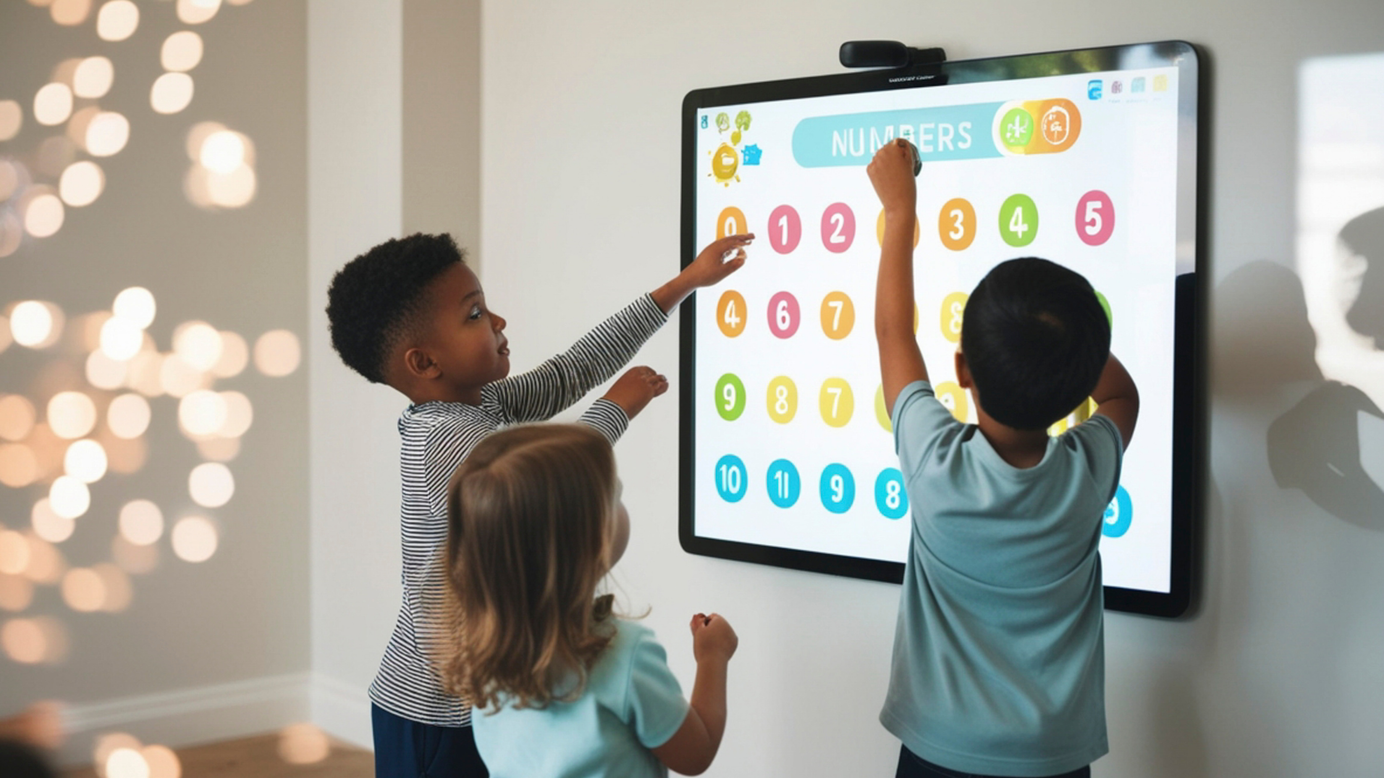
Recently, The Economist reignited a long-running debate: despite billions poured into education technology ("edtech") and near-total screen saturation in classrooms, learning gains often lag far behind expectations.
That’s uncomfortable.
Because parents were promised something different.
More personalization.
More AI tutors.
More adaptive dashboards.
Better outcomes.
But a growing body of research suggests the results are modest at best.
A 2024 meta-analysis reviewing nearly 120 studies on early literacy tools found that most educational software delivered only marginal improvements on standardized measures. In some contexts, technology integration correlated with stagnation (even declines) in traditional learning outcomes.
If edtech were neutral, this would simply be disappointing.
But when platforms promise transformation and deliver incremental gains, we should ask a deeper question:
Are we expecting technology to solve a problem that isn’t technological?
The Hard Truth About Learning
Study after study shows a pattern:
- Screens alone don’t create motivation.
- Adaptive software doesn’t manufacture grit.
- Gamified systems don’t guarantee deep understanding.
Technology can distribute information.
It cannot force attention.
It cannot create ownership.
It cannot generate meaning.
Learning has always required friction:
- The wrestle.
- The repetition.
- The discomfort.
- The relationship.
When those elements are absent, even the most sophisticated platform becomes an expensive substitute for formation.
The Real Mistake: Confusing Delivery with Development
Education is not primarily a content delivery problem.
It is a human development problem.
Technology can deliver faster.
But human development is slower.
Development requires:
- Mentors
- Challenge
- Accountability
- Community
- Purpose
Without these, technology scales distraction as efficiently as it scales access.
This is why implementation matters. When tools are introduced without clear pedagogical alignment, without training for educators, and without integration into meaningful goals, they compete for attention rather than deepen it.
Technology is powerful.
But it is not the engine for human growth.
Technology Isn’t the Enemy
Used thoughtfully, educational technology can:
- Provide targeted practice in foundational skills
- Support learners with specific needs
- Extend access to high-quality instruction
- Enable creative production and exploration
But tools amplify what is already present.
If a child lacks ownership, technology scales disengagement.
If a child is deeply curious, technology accelerates discovery.
The difference isn’t the device.
It’s the direction.
The Gift-Based Lens Changes the Conversation
At GiftedTalented.com, we approach education differently.
We don’t begin with platforms.
We begin with gifts.
Every child has them.
Curiosity.
Pattern recognition.
Empathy.
Athletic coordination.
Storytelling.
Spatial reasoning.
Leadership.
Persistence.
Some gifts are academic.
Some are relational.
Some are quiet.
Some are obvious.
But they are there.
Technology does not create gifts.
It may help reveal them.
It may help refine them.
But transformation happens elsewhere.
Here is the sequence that matters:
Gift x Effort = Talent
Raw ability becomes real skill only through disciplined practice.
Then something deeper happens:
Talent × Love = Calling
When developed talent is multiplied by genuine passion and service to others, learning becomes direction. Identity forms. Purpose clarifies.
No app can download that.
A Better Question for Parents
Instead of asking:
“Which platform will make my child smarter?”
Ask:
- What makes my child come alive?
- Where do they show unusual stamina?
- Where are they willing to struggle voluntarily?
- What kind of challenge stretches them productively?
Then use technology selectively, as a tool, not a savior.
Technology should support:
- Discovery (exploration and exposure)
- Development (structured, effortful practice)
- Direction (real-world application and contribution)
It should not replace them.
The Real Measure of Educational Success
Winning in education is not:
- High screen time
- Perfect dashboards
- AI-generated essays
- Or even test scores
Winning is a young person who knows:
- What they are good at
- What they care about
- And where they are going
That requires formation.
And formation is human.
All children have gifts.
Gifts must be multiplied with effort to become talents.
Talents multiplied by love and passion become callings.
Educational technology can assist that journey.
But it will never substitute for it.
That is the difference.
And that is the work.

GiftedTalented.com
The world's fastest growing gifted & talented community