
Maximum Control, Zero Rejection
What AI “Girlfriends” Are Teaching a Generation, and Why Parents Should Pay Attention

A quiet shift is happening.
Not loud.
Not obvious.
But deeply consequential.
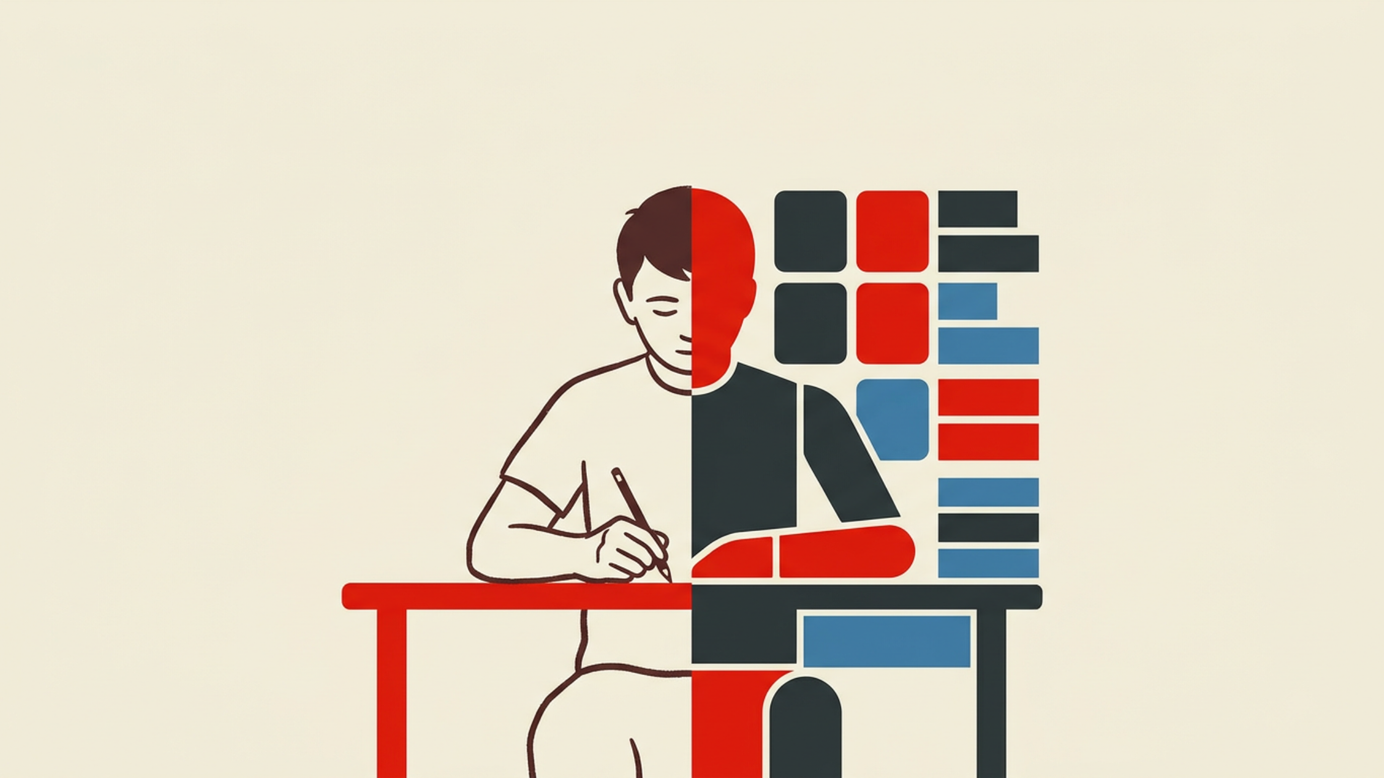
Some teenage boys are starting their first “relationships”… not with another person, but with AI.
Many teens are interacting with AI chatbots designed to simulate romantic partners. In one survey cited, a majority had already tried chatting with AI, and a meaningful portion said they preferred it.
Why?
Because it offers something real relationships don’t:
Control.
Consistency.
Zero rejection.
And that’s exactly what makes it powerful.
And potentially dangerous.
The Appeal: Why Smart Kids Are Drawn to AI Companions
If you’re a parent, it’s easy to dismiss this as strange or fringe.
That would be a mistake.
Because the appeal is actually very logical.
An AI “partner”:
- Responds instantly
- Mirrors tone and emotion
- Never judges
- Never rejects
- Never requires emotional labor in return
For a teenage boy navigating insecurity, identity, and social pressure…
That’s not weird.
That’s irresistible.
Especially for:
- Highly intelligent but socially cautious teens
- Kids who overthink interactions
- Those who fear embarrassment or rejection
In other words, many gifted kids.
What’s Being Lost: The “Reps” That Actually Matter
The real issue?
Not that teens are talking to AI.
It’s what they might NOT be doing instead.
Human relationships are messy for a reason.
They teach:
- Reading subtle cues
- Handling awkward silence
- Navigating disagreement
- Repairing after mistakes
- Tolerating rejection
These aren’t just “dating skills.”
They are life skills.
And more importantly:
They are career skills.
The same abilities that help a teenager ask someone out…
…are the ones that later help them:
- Pitch an idea
- Handle feedback
- Build trust
- Lead a team
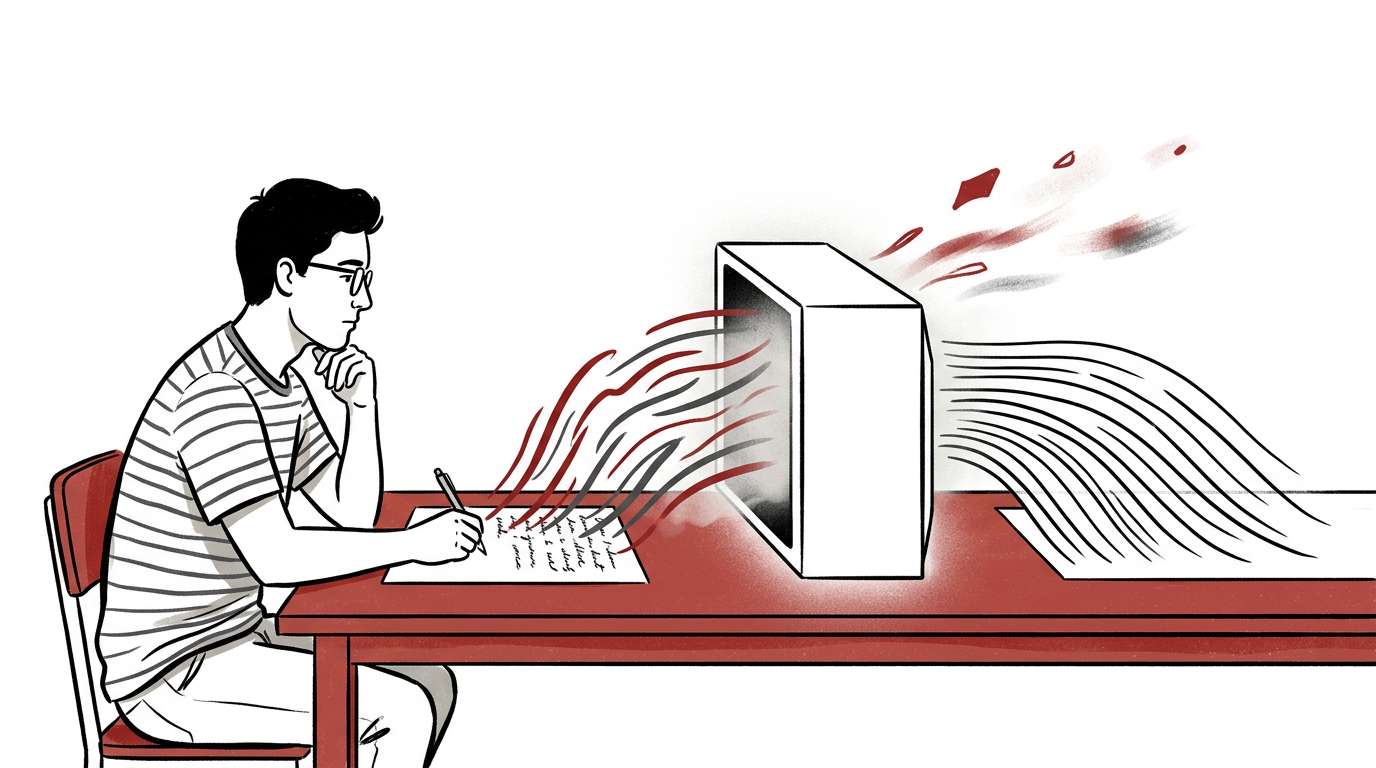
Remove the friction…
And you remove the growth.
The Hidden Risk: Training the Wrong Expectations
AI relationships don’t just remove difficulty.
They reshape expectations.
A teen who spends hundreds of hours interacting with an AI that:
- Always responds kindly
- Never pushes back
- Adapts to their preferences
…may begin to expect that from real people.
But real people:
- Misunderstand you
- Disagree with you
- Have their own needs
- Sometimes say no
That gap (the one between trained expectation and reality) is where frustration, withdrawal, or social failure can begin.
Not because the child is incapable.
But because they’ve been practicing in the wrong environment.
The Workplace Connection Most Parents Miss
This isn’t just about relationships.
It’s about future readiness.
Employers are already expressing major concerns.
Young hires increasingly struggle with:
- Basic communication
- Reading social dynamics
- Handling feedback
Now imagine a generation that:
- Is highly fluent in AI
- But underexposed to real interpersonal friction
You get a paradox:
👉 Technically advanced
👉 Socially underdeveloped
That’s not a winning combination.
The Two-Sided Reality
AI intimacy creates both:
Advantage
- Early comfort with AI tools
- Strong verbal expression (in low-risk environments)
- Ability to articulate thoughts clearly
Risk
- Avoidance of real-world discomfort
- Reduced resilience
- Difficulty navigating unpredictable human behavior
The outcome depends on one thing:
Balance.
What This Means for Parents
The instinct might be to shut it down.
Ban the apps. Remove the access.
But that misses the deeper point.
AI is not going away.
So the real question is:
"What role will it play in your child’s development?"
Here’s a more useful approach:
1. Don’t panic. Get curious
Ask:
- “What do you like about talking to it?”
- “How does it feel different from talking to real people?”
You’re not policing.
You’re learning.
2. Protect real-world “reps”
Make sure your child still experiences:
- Team environments (sports, debate, theatre)
- Unstructured social time
- Situations where things don’t go perfectly
That friction is not a problem.
It’s the point.
3. Normalize discomfort
Help them understand:
- Feeling awkward…
- Getting rejected…
- Saying the wrong thing…
These are not failures.
They are training.
4. Position AI as a tool, not a substitute
AI can be:
- A place to practice articulation
- A way to explore thoughts
But it should not become:
- The primary place for emotional connection
That line matters.
The Bigger Question
Every generation faces a new environment.
For Gen Alpha, it’s not just social media.
It’s synthetic relationships.
And the real risk isn’t that kids use AI.
It’s that they grow up without enough reality.
Final Thought for Parents
At night, your child looks peaceful.
Untouched by the questions running through your head.
“Am I doing enough?”
“Am I getting this right?”
Here’s a better question:
"Is my child getting enough real life?"
Not perfect life.
Not optimized life.
But real, unpredictable, human life.
Because that’s still the only place where:
- resilience is built
- empathy is formed
- and confidence becomes real
AI can simulate connection.
But it cannot replace becoming someone who can truly connect.

GiftedTalented.com
The world's fastest growing gifted & talented community