Raising Trilingual Children Before Age Seven
How one PR strategist mom raises trilingual children without pressure or perfection

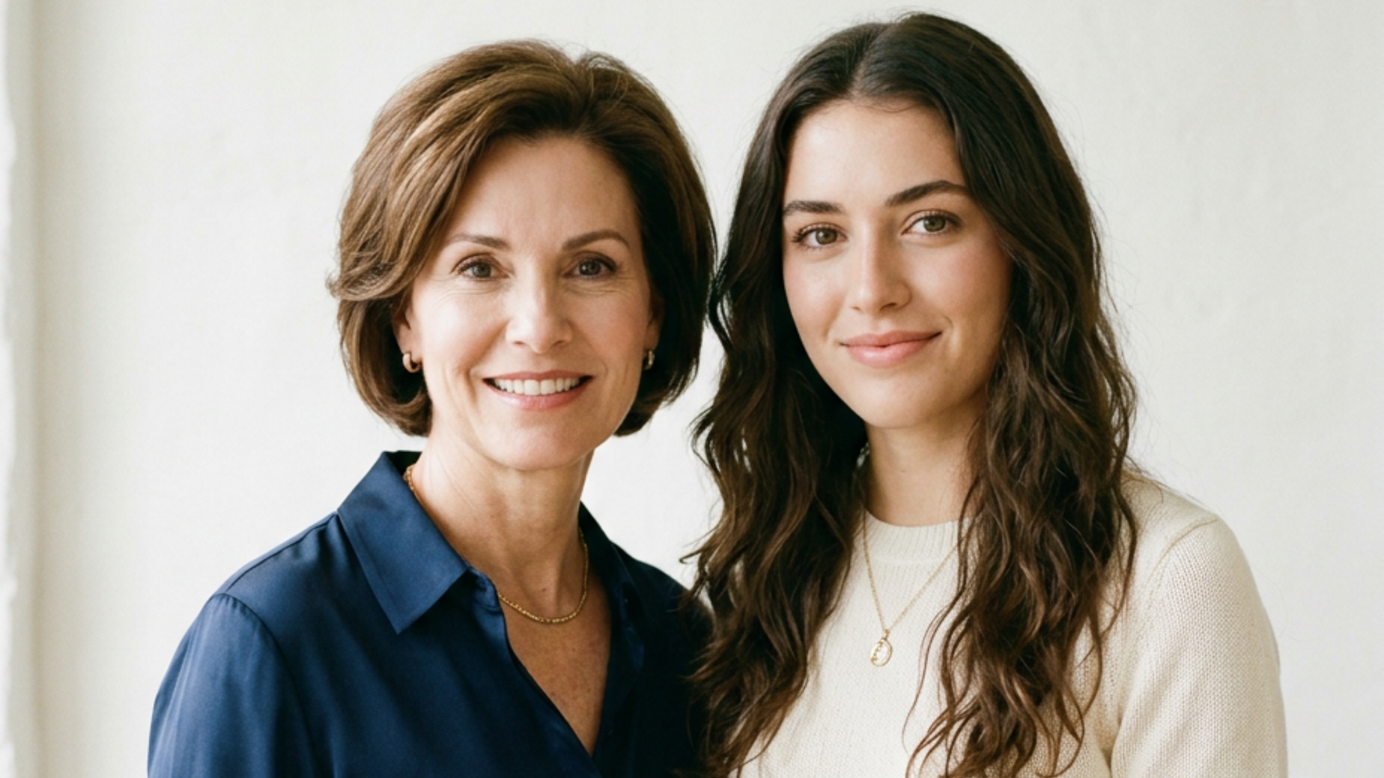
Introducing Simone Sauter
Most parents assume raising multilingual children requires something extraordinary: elite schools, native-level fluency, or an ironclad system that leaves no room for mistakes.
Simone Sauter’s story quietly dismantles that myth.
She didn’t build her children’s trilingual world through rigid rules or academic pressure. She built it through consistency, affection, and everyday life—one parent, one language; one bedtime story at a time.
And the result?
By ages 4 and 6, her children comfortably navigate German, Dutch, and English—without language drills, flashcards, or stress.
What Simone offers intentional parents is not a theory, but a lived blueprint.
A family shaped by movement—and choice
Simone grew up German, married Dutch, and built her career as a digital entrepreneur across Europe, Asia, and South America. When she and her husband settled in the Netherlands, one question became clear early on:
What kind of world do we want our children to feel at home in?
The answer wasn’t abstract. It was practical.
German would be Simone’s language with the children.
Dutch would be their father’s.
English would arrive gently—through stories, play, and curiosity.
No grand announcement. Just quiet resolve.
The heart-language principle
From pregnancy onward, Simone spoke to her children in German—what she calls her heart language. Her husband consistently used Dutch.
This approach, often described as “one parent, one language,” works not because it’s trendy, but because it mirrors how young children naturally organize the world: people belong to places; languages belong to people.
German became the language of comfort, stories, and closeness with their mother.
Dutch became the language of school, friends, and everyday life.
Rather than confusing the children, this clarity gave them confidence.
Why minority languages need more love
Living in the Netherlands meant Dutch would dominate automatically. Simone knew that if German were to survive (and thrive) it needed extra oxygen.
So she built real reasons to use it:
- Daily conversation at home
- Constant reading (picture books, chapter books, bedtime rituals)
- Frequent video calls with German-speaking grandparents
- Travel to Germany where German wasn’t optional—it was necessary
The children didn’t “study” German.
They needed it—to be understood, to belong, to connect.
That need changed everything.
Adding a third language—without pressure
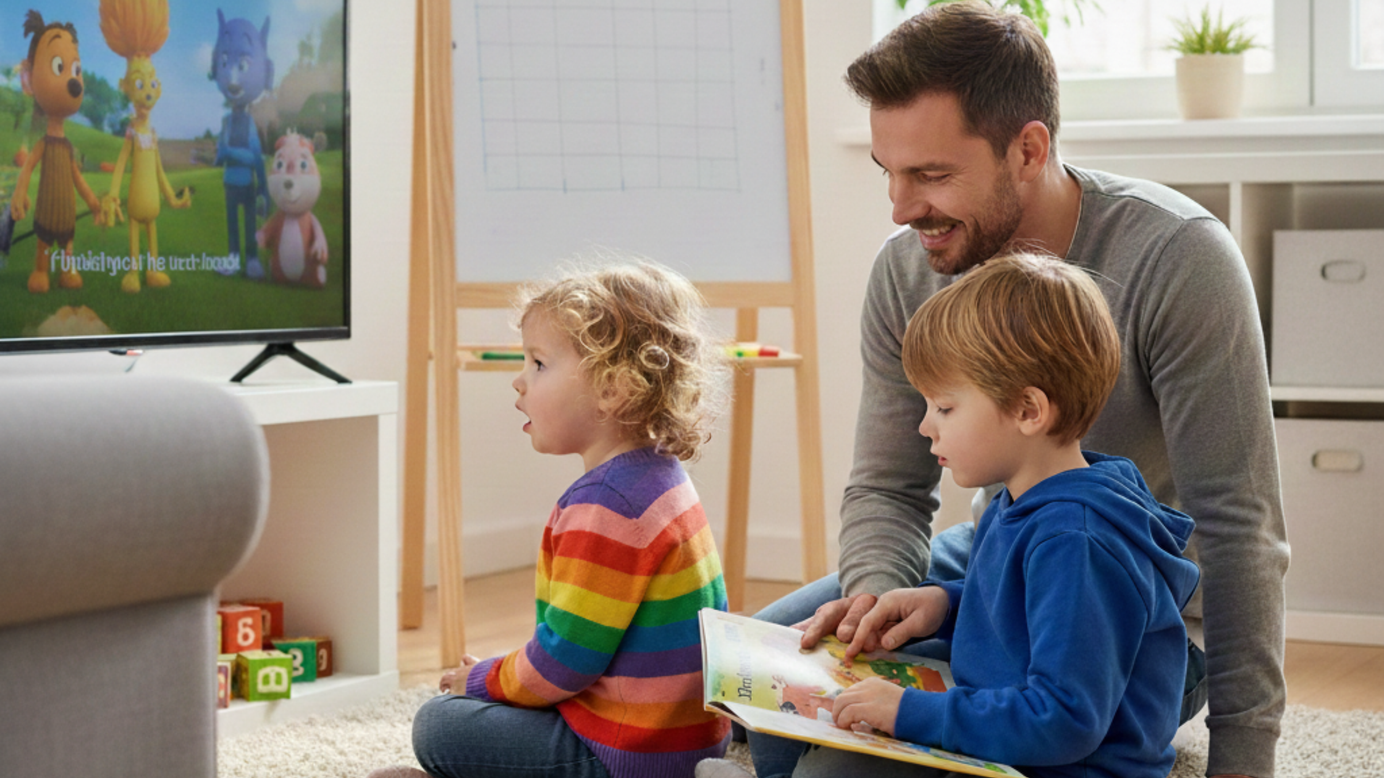
English entered the picture around age two, not as a subject, but as a soundscape.
A cartoon here.
A book read aloud there.
Songs and stories during travel.
Weeks passed before one child finally asked, almost casually:
“What language is that?”
That moment matters.
It reminds us how flexible young brains are when language is introduced with joy rather than expectation.
English wasn’t demanded. It was welcomed.
Over time, Simone layered in high-quality tools—short, playful interactions that complemented human connection rather than replacing it.
What intentional parents can learn
Simone’s story isn’t about optimization. It’s about orientation.
For families wondering whether multilingual upbringing is “too much,” her experience offers reassurance:
- You don’t need perfection—you need patterns
- You don’t need pressure—you need presence
- You don’t need elite programs—you need daily life done with intention
Language, in her home, is not a performance metric.
It’s part of identity. Belonging. Attachment.
And that may be the most gifted outcome of all.
Why this matters for gifted and globally minded families
For families raising children who may one day study, work, or live across borders, multilingualism is more than a résumé line.
It is:
- A cognitive advantage
- A cultural bridge
- An emotional anchor to family and heritage
- A quiet confidence that the world is navigable—not intimidating
Simone herself traces her global curiosity back to a short summer language experience at age eleven—proof that small, well-timed exposures can redirect an entire life.
A final word for parents wondering, “Am I doing enough?”
Simone Sauter’s story doesn’t say do more.
It says:
Do it daily. Do it warmly. Do it with joy.
Languages grow the same way children do—not through force, but through faithful presence over time.
And sometimes, that’s the most powerful gift a parent can give.
This piece was inspired by Simone Sauter’s widely published essay on raising multilingual children.

GiftedTalented.com
The world's fastest growing gifted & talented community