Harvard of the South Expands to the West
What Vanderbilt’s Expansion Tells Us About the Future of Opportunity

For generations, college was simple.
You chose a campus.
You moved there.
You built your life in one place.
But that model is beginning to change.
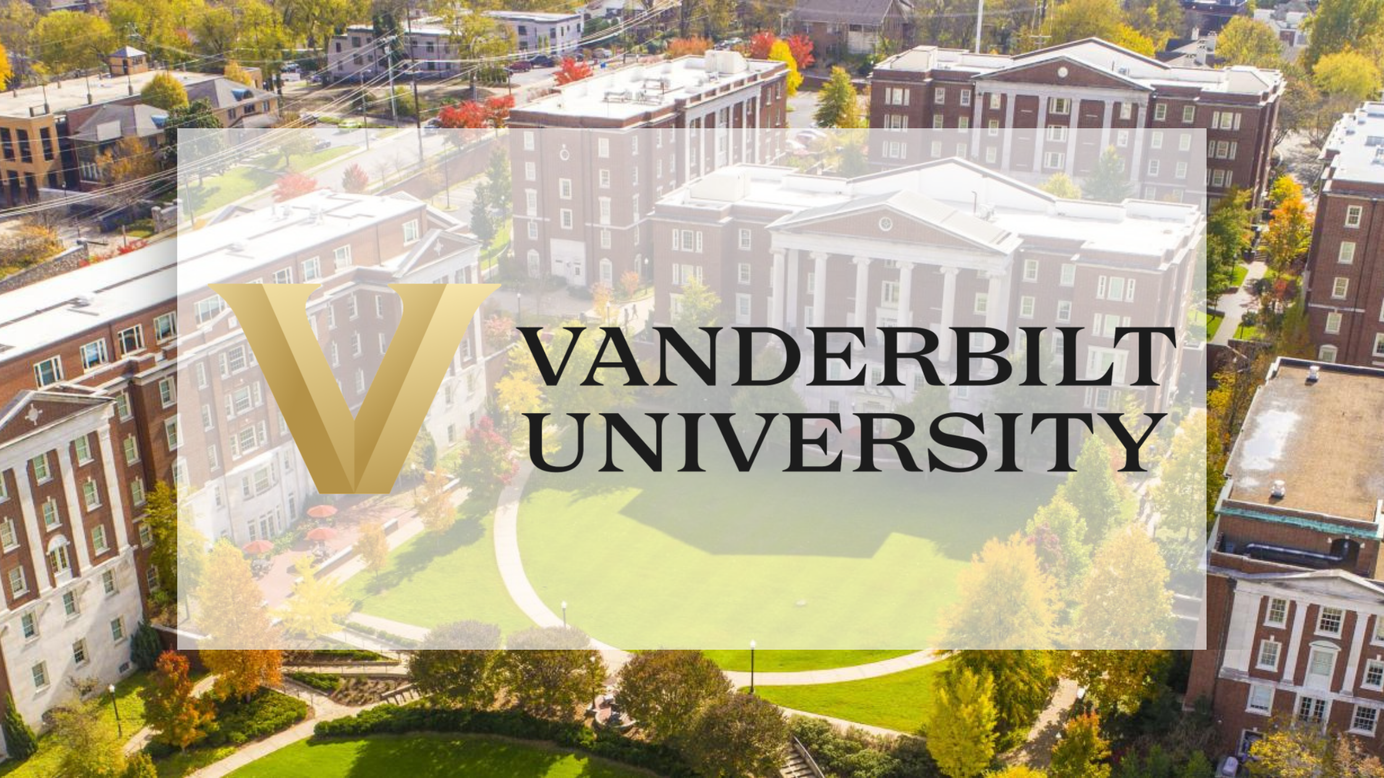
Recently, Vanderbilt University announced plans to expand beyond Nashville, including a full undergraduate campus in San Francisco and additional hubs in cities like New York and West Palm Beach.
This isn’t just a branding move.
It signals something bigger:
Colleges are beginning to follow opportunity—not just geography.
And that shift matters for families.
Why This Matters, Even If Your Child Isn’t “Ivy League Bound”
At GiftedTalented.com, we believe:
- Every child is gifted.
- Gift × Effort = Talent.
- Talent × Love = Calling.
So when a university expands into innovation hubs like San Francisco, the real question isn’t prestige.
It’s:
What environments help different kinds of gifts grow?
San Francisco might amplify:
- Entrepreneurial gifts
- Engineering and design gifts
- Risk-taking, creative gifts
New York might amplify:
- Finance and strategy gifts
- Media and storytelling gifts
- Cultural leadership gifts
West Palm Beach might amplify:
- Business development gifts
- Real estate and finance gifts
- Emerging market innovation
Location is no longer incidental.
It’s developmental.
And development matters more than labels.
The Hidden Shift: Education Is Becoming Ecosystem-Based
The old model said:
“Come to our campus.”
The emerging model says:
“We’ll build campuses inside opportunity ecosystems.”
That’s a profound shift.
For academically gifted students, that might mean proximity to cutting-edge research labs.
For entrepreneurially gifted students, it might mean access to startups and venture capital.
For artistically gifted students, it might mean immersion in creative capital.
For spiritually or service-oriented students, it may mean exposure to communities where leadership is urgently needed.
The campus becomes less about tradition and more about trajectory.
A Structural Shift to Watch
Vanderbilt’s expansion isn’t just about Vanderbilt.
It’s a live experiment.
If it succeeds (if enrollment remains strong, alumni networks deepen, and student outcomes improve), other prestigious universities will almost certainly follow.
Higher education is competitive.
Elite institutions watch one another carefully.
If a multi-city campus model:
- Expands national reach
- Strengthens employer pipelines
- Boosts institutional reputation
- Enhances student outcomes
Then imitation is likely.
Not just from rising universities.
From Ivy League schools as well.
Innovation in higher education rarely stays isolated.
It scales.
And if this model spreads, the next decade of college may look very different from the last.
Instead of choosing a campus, students may increasingly choose:
- A network
- A launch city
- A professional ecosystem
The question may shift from:
“Where do you go to school?”
To:
“Which ecosystem are you embedded in?”
That’s not necessarily good or bad.
But it changes the game.
Parent Action Steps
(Because formation starts long before college)
Here are five practical ways to apply this shift today:
1) Identify the Ecosystem That Matches Your Child’s Gifts
If your child shows:
- A builder’s instinct → Explore cities strong in startups and engineering.
- A performer’s instinct → Look toward cultural capitals.
- A systems thinker’s instinct → Consider finance, research, or policy hubs.
- A servant-leader’s instinct → Seek institutions known for civic engagement and community impact.
Don’t choose by ranking.
Choose by resonance.
2) Visit Cities—Not Just Campuses
When you tour colleges, spend time off campus.
Walk neighborhoods.
Visit local businesses.
Observe the rhythm of the city.
Ask yourself:
Would my child be stretched here?
Would they be energized here?
Environment shapes ambition.
3) Track Effort, Not Labels
If Gift × Effort = Talent, then effort matters more than brand.
Is your child:
- Practicing consistently?
- Seeking mentorship?
- Taking initiative without being asked?
Colleges amplify talent.
They rarely create it from scratch.
4) Cultivate Love — Not Just Performance
If Talent × Love = Calling, then love matters most.
Love shows up when:
- A child loses track of time.
- They pursue something without external reward.
- They endure difficulty because they deeply care.
Before asking “Which college?” ask:
What does my child love enough to suffer for?
That question changes everything.
5) Expand Your Definition of Success
Not every gift flourishes in Silicon Valley or Wall Street.
Some gifts flourish in:
- Small communities
- Mission-driven organizations
- Creative collectives
- Family enterprises
- Faith communities
The right ecosystem is the one that multiplies both competence and character.
Final Thought
Universities are adapting to opportunity.
They are moving closer to capital, industry, culture, and innovation.
If Vanderbilt succeeds, others will follow.
But parents must remember:
- Colleges follow markets.
- Children follow formation.
Identify the gift.
Encourage the effort.
Cultivate the love.
Campuses may multiply across cities.
But calling is never determined by geography alone.
It is shaped by character, discipline, and what a child learns to love.
And that still begins at home.

GiftedTalented.com
The world's fastest growing gifted & talented community