When We Stop Asking Kids to Read Whole Books
When classrooms favor speed and fragments, children may miss the sustained reading experiences that turn raw ability into lasting talent.

In recent months, a quiet shift in English classrooms has started to draw attention.
More schools are assigning excerpts of novels instead of full books.
Not summaries.
Not audiobooks.
Not independent reading on the side.
But carefully selected fragments (chapters, scenes, passages) often delivered on screens, designed to practice discrete reading skills quickly.
The change is usually explained in practical terms: limited time, testing pressure, concerns about attention spans.
Yet for families raising gifted children, the real question isn’t whether excerpts are efficient.
It’s whether something essential is being lost.
Excerpts Aren’t the Problem. Exclusivity Is.
To be clear, excerpts have always had a place in education.
They’re useful for:
- Close reading
- Analyzing language
- Comparing styles
- Practicing specific comprehension skills
The concern arises when fragments replace wholeness—when students are rarely asked to stay with a single narrative long enough to feel its weight.
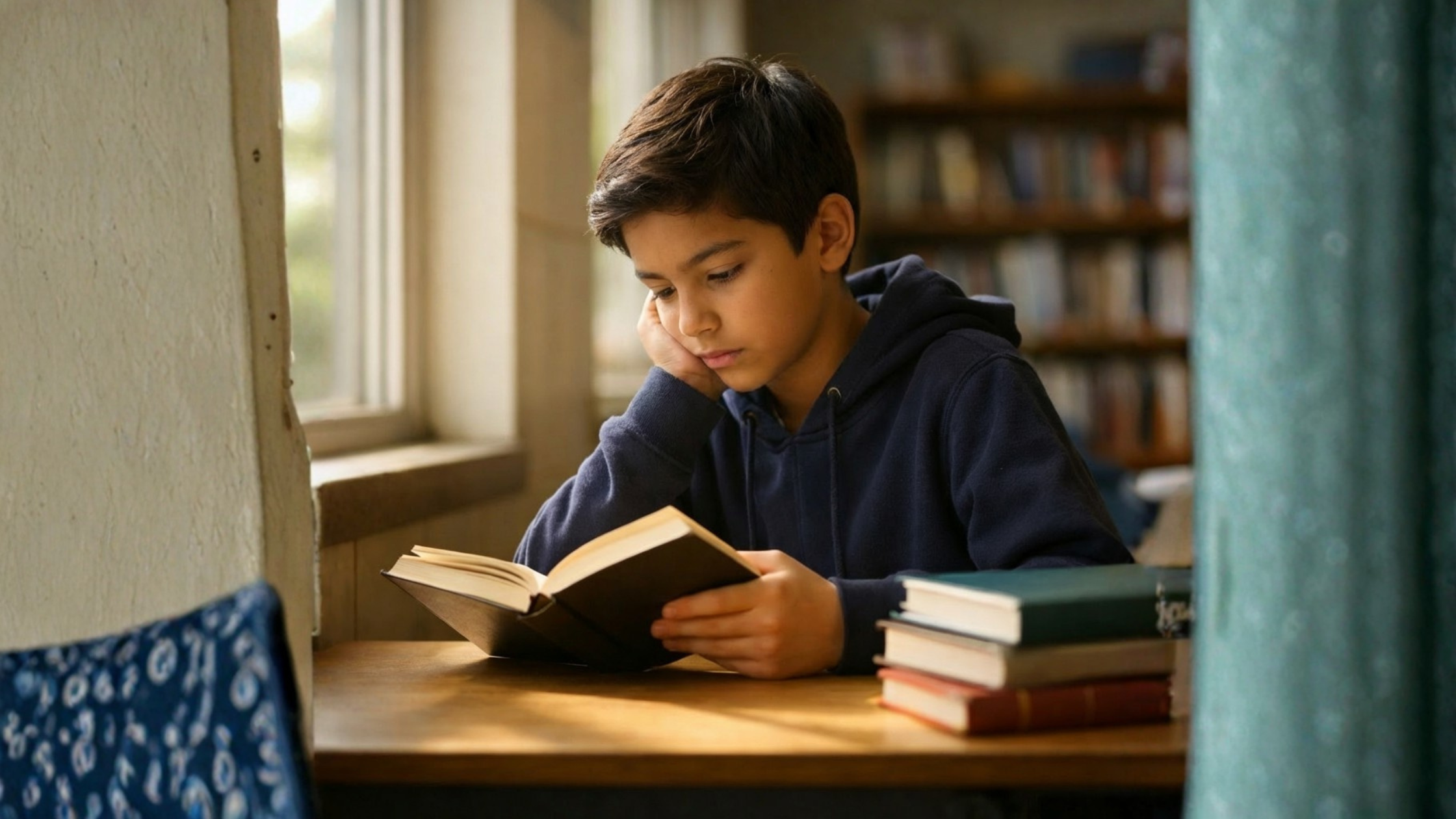
Reading a full novel is not just a literacy task.
It’s a developmental experience.
It asks a child to:
- Hold characters in memory over weeks
- Track cause and consequence across time
- Sit with ambiguity before resolution arrives
- Finish something that doesn’t immediately reward them
These aren’t just reading skills.
They’re human skills.
Why This Matters for Gifted Children
Many gifted children show early signs of depth:
- Intense curiosity
- Strong internal worlds
- A capacity for sustained focus when the material matters
Ironically, these are often the very children most affected by excerpt-only instruction.
When learning is reduced to short, decontextualized passages, gifted students may:
- Master the mechanics quickly
- Appear “fine” on assessments
- Yet feel intellectually under-fed
They can analyze paragraphs without ever inhabiting a story.
And inhabitation matters.
Because gifts aren’t developed by skimming life in fragments.
They’re developed by staying with complexity long enough for something to change.
The Deeper Loss: Stamina, Patience, and Inner Architecture
One of the quiet roles of full-book reading is that it builds reading stamina—the ability to remain mentally present across time.
That stamina transfers to:
- Research
- Long-form thinking
- Ethical reasoning
- Problem-solving that doesn’t resolve quickly
In other words, it supports the very capacities our children will need in a world shaped by AI, information overload, and constant interruption.
If children are rarely asked to read whole works, we shouldn’t be surprised if they struggle later with:
- Sustained arguments
- Nuanced positions
- Projects that unfold over months, not minutes
Fragments train speed.
Wholes train endurance.
This Isn’t About Nostalgia. It’s About Formation.
Some defenders of excerpt-based curricula argue there’s no definitive study proving that full novels automatically produce better readers.
That’s true.
But education has never been only about what is easiest to measure.
We don’t teach music solely through scales, even though scales are measurable.
We don’t teach athletics only through drills, even though drills are efficient.
At some point, children need the full experience of the thing itself.
Stories are no different.
Whole books invite children into:
- Moral complexity
- Long arcs of growth
- Failure, waiting, redemption, consequence
They quietly teach that meaning often unfolds slowly.
That lesson is future-relevant.
What Parents Can Do (Even If Schools Can’t Change Quickly)
Families don’t need to wait for policy shifts to act.
If schools are fragmenting reading, home can become a place of continuity.
Simple practices matter:
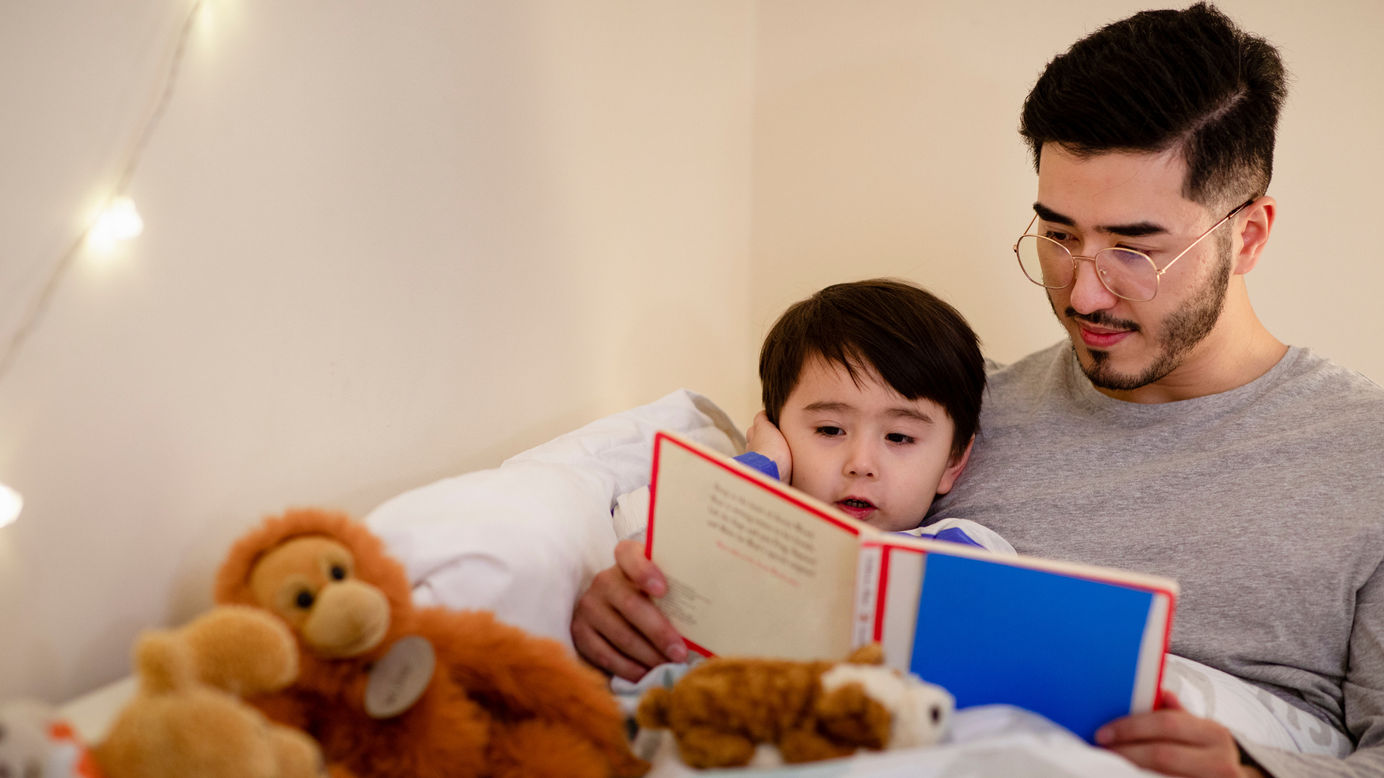
- Reading full books together over weeks
- Letting children stay with a book beyond a chapter or two
- Valuing completion, not just performance
- Modeling sustained reading ourselves
For gifted readers especially, independent long-form reading is not enrichment—it’s nourishment.
It’s how raw ability becomes depth.
How curiosity becomes discipline.
How a gift becomes a talent that lasts.
The Bigger Question We Should Be Asking
This debate isn’t really about novels versus excerpts.
It’s about what kind of humans we are forming.
Are we preparing children only to respond—to prompts, passages, tasks?
Or are we helping them learn how to remain with ideas, stories, problems, and people long enough to be changed?
At GiftedTalented.com, we believe every child is entrusted with a gift.
Our responsibility, as parents, educators, and stewards, is not just to help them perform well now, but to help them develop the inner architecture needed for the future.
Sometimes that starts with something very old-fashioned.
A whole book.
Read slowly.
Finished fully.

GiftedTalented.com
The world's fastest growing gifted & talented community