Career Readiness Is Broken
What Parents Need to Understand: the world your child is walking into has changed.

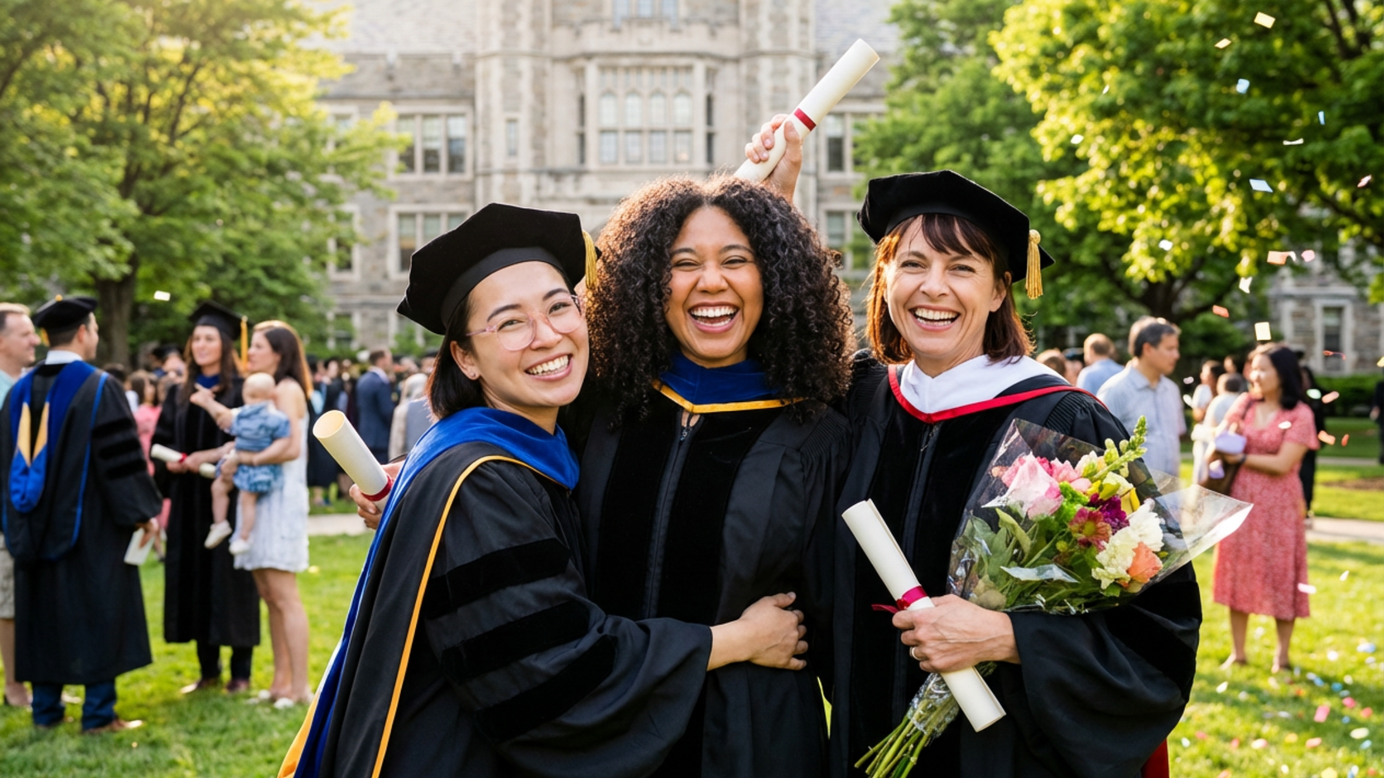
The Class of 2026 is graduating into one of the toughest job markets in years.
- Fewer entry-level roles
- More competition
- AI quietly replacing the exact work new grads used to do
Even top students are struggling to land roles that match their degrees.
But here’s the uncomfortable truth:
The biggest problem isn’t the market.
It’s how we’ve been thinking about “career” all along.
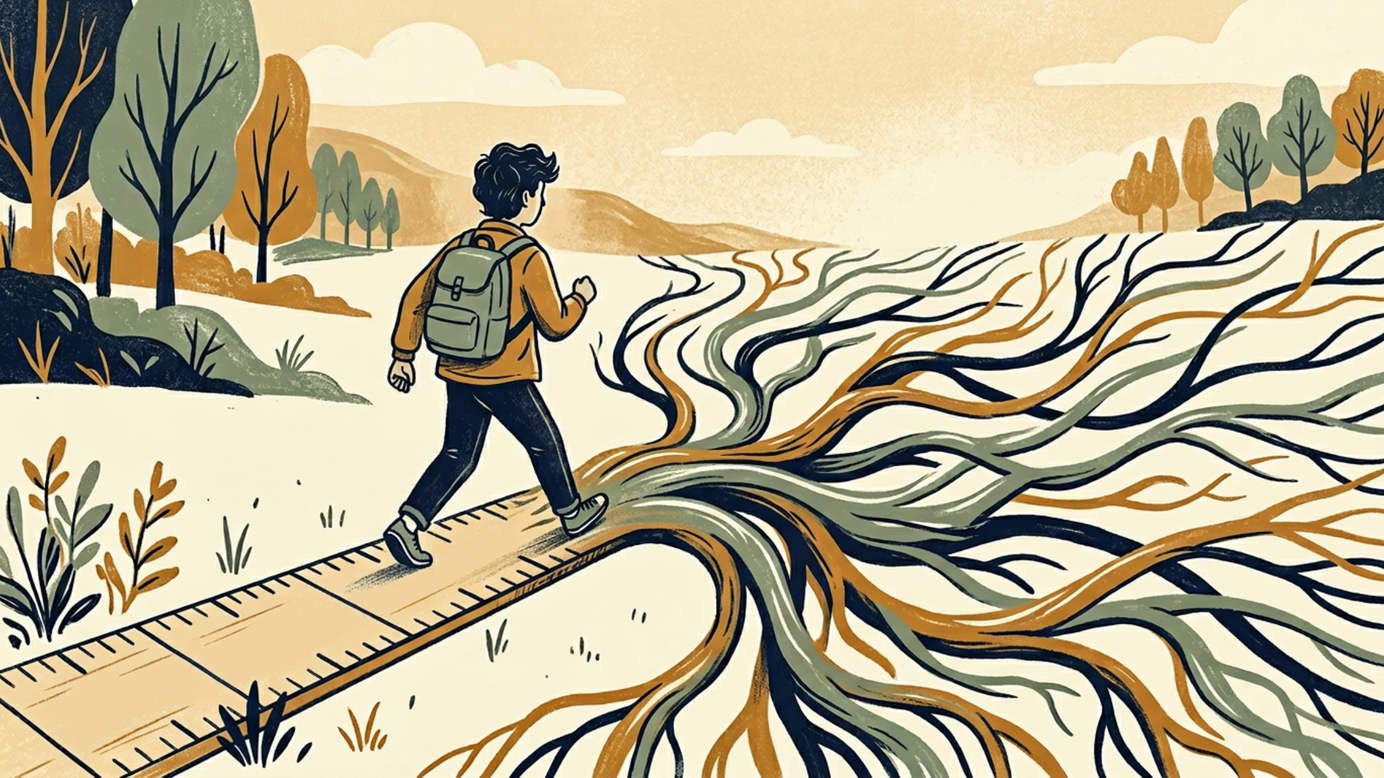
The Hidden Mistake: Treating Career as a Finish Line
For decades, the model was simple:
Study hard → get into a good college → graduate → start your career.
That model no longer works.
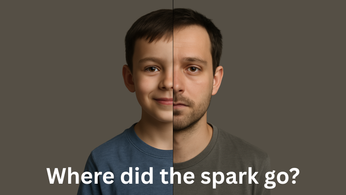
Because career is not something that starts after graduation.
It’s something that’s been forming all along.
It’s an evolving process shaped by every experience, decision, and challenge along the way.
Yet most students don’t see it that way.
So they graduate feeling behind…
even when they’ve been building valuable skills for years.
Why Today’s Students Feel Unprepared
Nearly half of graduates say they feel unready for the workforce.
Not because they lack ability.
But because they don’t recognize what they already have.
They’ve been trained to believe:
- Only internships “count”
- Only formal jobs matter
- Only credentials prove readiness
So they overlook the real formation happening daily:
- Leading a team project
- Navigating conflict with peers
- Managing time under pressure
- Balancing school, sports, and responsibilities
These aren’t side activities.
They are the career.
AI Didn’t Break the System — It Exposed It
Artificial intelligence is accelerating a shift that was already happening.
Routine, predictable work?
→ Automated.
Entry-level tasks?
→ Reduced.
What’s left (and growing) are roles that require:
- Judgment
- Communication
- Creativity
- Adaptability
In other words:
Human qualities, not just technical ones.
This is why many graduates feel stuck.
They were trained for tasks.
The world now rewards capabilities.
The Real Gap Isn’t Skills — It’s Framing
There’s a lot of talk about “skills gaps.”
But the deeper issue is this:
Students don’t know how to interpret their own experience.
They’ve done the work. They just don’t know how to:
- Connect it
- Articulate it
- Leverage it
When career is framed as something external (“get a job”),
students look outward for validation.
When career is understood as a process (“becoming someone”),
they start building from within.
That shift changes everything.
What Actually Builds Career Advantage
Research consistently shows that students who engage in real-world, experiential learning outperform those who don’t.
Not just in job placement, but in:
- Confidence
- Career clarity
- Long-term growth
These experiences include:
- Internships
- Research projects
- Leadership roles
- Community involvement
But here’s the key:
It’s not the experience itself.
It’s how the student processes it.
Two students can have the same internship.
One gains a résumé line.
The other gains identity, direction, and leverage.
From “Career-Ready” to “Career-Savvy”
The goal is no longer just to prepare your child for their first job.
That’s too small.
The goal is to help them become:
Career-savvy.
Someone who can:
- Adapt as industries change
- Learn faster than the market evolves
- Translate experience into opportunity
- Navigate uncertainty with confidence
The reality?
There is no stable “path” anymore.
Only trajectories.
What This Means for Parents
This shift has major implications for how you guide your child.
1. Stop asking: “What do you want to be?”
Start asking:
“What are you becoming?”
2. Reframe experiences
Don’t treat activities as résumé builders.
Help your child reflect:
- What did you learn?
- What did you struggle with?
- How did you grow?
That’s where the value is.
3. Prioritize formation over optimization
Perfect grades and perfect resumes are no longer enough.
What matters more:
- Self-awareness
- Resilience
- Communication
- Initiative
These are built through lived experience, not lectures.
4. Encourage real-world exposure early
The earlier your child engages with real environments, the better:
- Projects
- Competitions
- Internships
- Mentorship
Not to “get ahead.”
But to build context.
The GiftedTalented Lens
At GiftedTalented.com, we see this clearly through our framework:
🔍 Discover
Identify your child’s natural inclinations and strengths early.
🛠️ Develop
Give them environments where those strengths are tested and stretched.
🧭 Direct
Help them connect those experiences into meaningful direction.
The students who will thrive in this new world won’t be the most credentialed.
They’ll be the ones who understand:
- Who they are
- How they grow
- How to apply themselves in any environment
Career readiness isn’t something your child achieves at 22.
It’s something they build every day, starting now.

GiftedTalented.com
The world's fastest growing gifted & talented community